
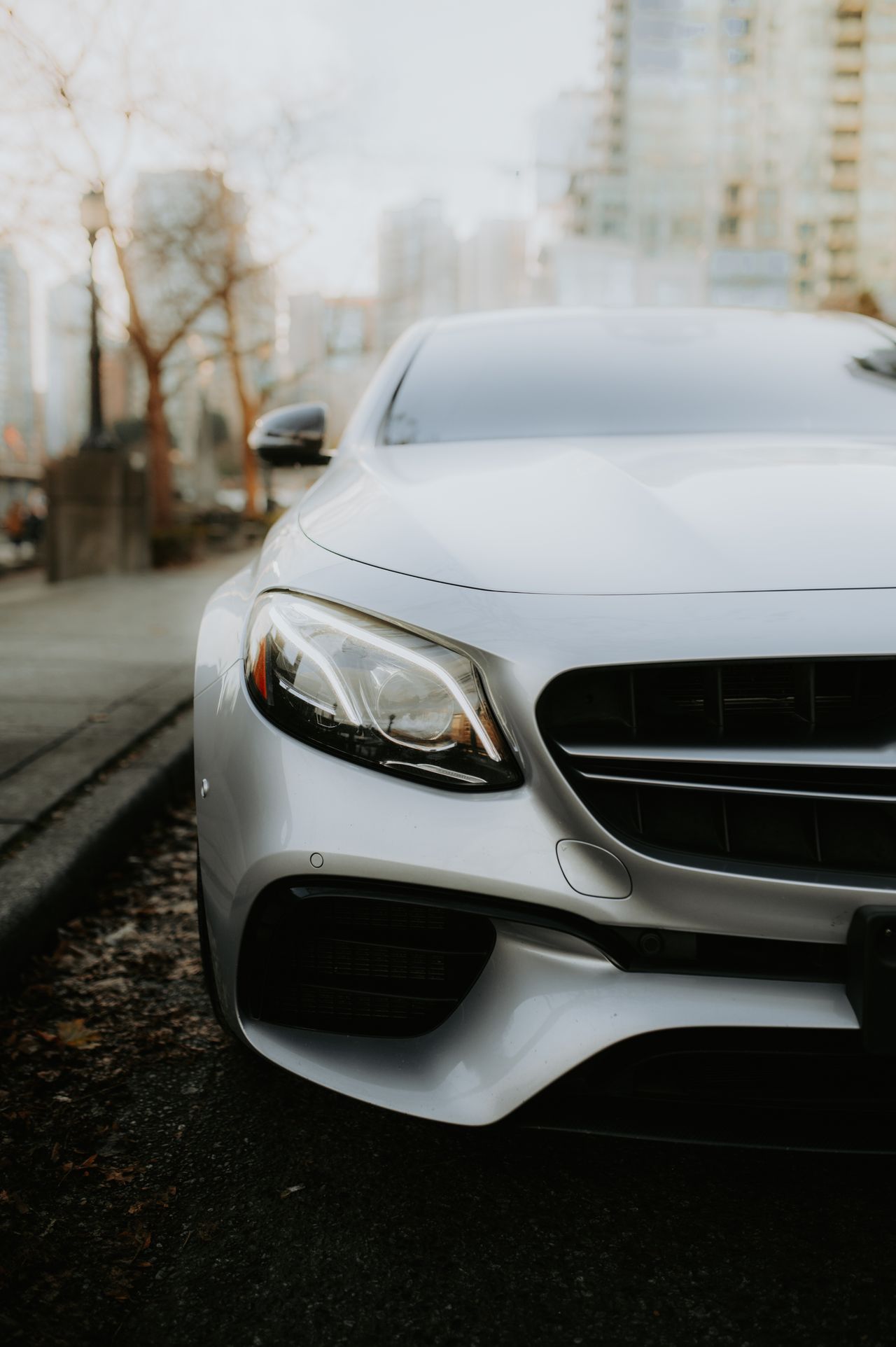
Paint protection film should go on the panels that take the most road impact, which means the front bumper, hood, fenders, mirrors, and headlights first. Paint protection film, also called PPF, is a clear urethane layer that absorbs rock chips, sand, salt, and light scratches before they reach your paint. On central Alberta roads, gravel and winter sand do real damage, so knowing where to put paint protection film helps you protect the most vulnerable areas without wrapping the whole car. This guide breaks down exactly which parts matter most and why.
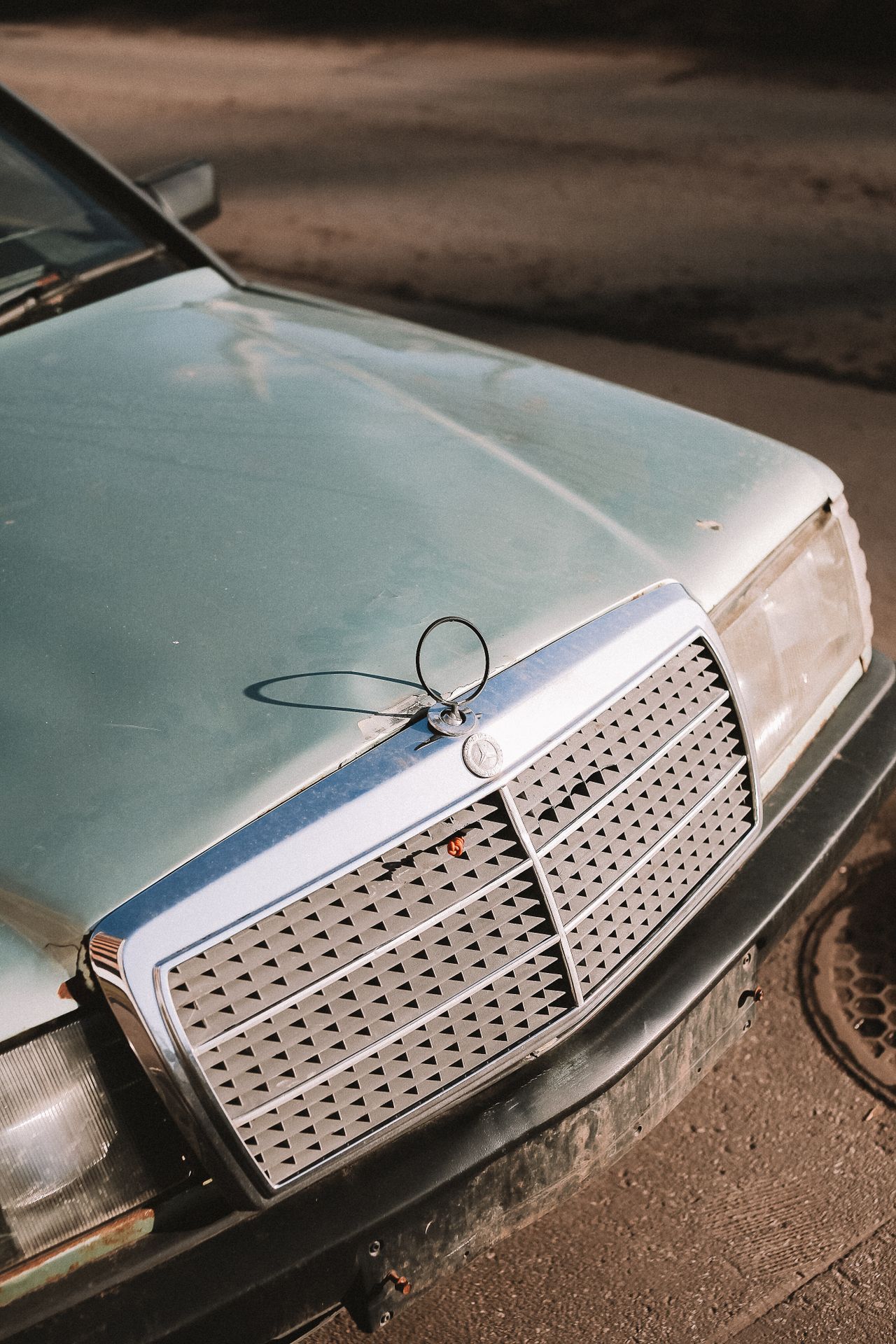
What areas of a car get the most rock chips?
The front of the car gets the most rock chips because it meets oncoming gravel, sand, and highway debris head-on. These are the high-impact zones that benefit most from paint protection film:
- Front bumper — the lowest, most exposed panel and the first to get sandblasted.
- Hood — especially the leading edge, which catches debris at highway speed.
- Front fenders — the front section just behind the wheels.
- Side mirrors — they stick out and chip easily.
- Headlights — clear film here prevents pitting and hazing.
- A-pillars and roof leading edge — common on highway-heavy commutes.
Should you do full-car PPF or just the front end?
Most drivers should start with the front end, then add full-car paint protection film if they want total coverage. Front-end coverage protects the panels that take 90 percent of the damage at a fraction of the cost of a full wrap. Full-car paint protection film makes sense if you have a high-value vehicle, a fresh repaint, or you simply want every panel guarded against chips, swirls, and stains.
XPEL ULTIMATE PLUS is 8.5 mil thick and self-healing, so light swirls and scratches disappear with heat from the sun or warm water. It carries a 10-year warranty against yellowing, staining, cracking, peeling, and bubbling, which is why it works equally well on a front-end kit or a full wrap.
What is a typical PPF coverage package?
A typical paint protection film package is built in tiers, from a basic front kit up to full coverage. Here are the common options:
- Partial front (basic): partial hood, partial fenders, mirrors, and front bumper.
- Full front: full hood, full fenders, mirrors, front bumper, and headlights.
- Track or high-impact: full front plus A-pillars, roof leading edge, and rocker panels.
- Full vehicle: every painted panel wrapped in paint protection film.
Is PPF worth it for a daily driver?
Yes, paint protection film is worth it for a daily driver because daily kilometres mean daily exposure to chips and road grime. A daily driver in Red Deer faces gravel, highway sand, and winter salt year-round, and every one of those is a chance for a chip that drops resale value. Paint protection film takes that hit instead of your paint.
It is also low maintenance. After install, wait about 48 hours before washing, then apply XPEL Flawless Finish sealant twice a year to keep the film clear and easy to clean.
Where should you put PPF on a truck or SUV?
On a truck or SUV, put paint protection film on the front end plus the panels that catch debris and cargo wear. Larger vehicles have wider exposed surfaces, so coverage priorities shift slightly:
- Front bumper, hood, and fenders — same high-impact front end as any vehicle.
- Rocker panels — taller ride height kicks up more gravel along the sides.
- Lower doors and bed rails — for trucks that haul or tow.
- Door edges and door cups — high-touch spots that wear and chip.
- Rear wheel arches — exposed to spray from the rear tires.
Does paint protection film go on the interior too?
Standard paint protection film is for exterior paint, but XPEL also makes an antimicrobial film for interior high-touch surfaces. XPEL RX is a zinc-ion-infused thermoplastic polyurethane film that inhibits bacteria, mould, mildew, and fungi. It comes in gloss or matte and is built for screens, door handles, and other surfaces people touch often.
Frequently asked questions
How long does paint protection film last?
XPEL ULTIMATE PLUS paint protection film carries a 10-year warranty against yellowing, staining, cracking, peeling, and bubbling. With twice-a-year XPEL Flawless Finish sealant, it stays clear and protective for years of daily driving.
Will paint protection film fix scratches in my paint?
No, paint protection film does not repair existing paint damage, but it prevents new chips and self-heals its own light scratches. The XPEL ULTIMATE PLUS film heals light swirls and surface scratches with heat from the sun or warm water.
Can I just wrap the front of my car?
Yes, a front-end paint protection film package is the most popular choice and covers the panels that take the most damage. You can always add more coverage later if you want to protect additional panels.
Ready to protect your vehicle? Lightning Tint is a certified XPEL dealer in Red Deer offering professional XPEL paint protection film installation for cars, trucks, and SUVs across central Alberta. Get a fast free quote through our contact page or call 403-986-8255, and ask about our free pick-up and drop-off so you never have to rearrange your day.
